




Quick Summary
When comparing a pontoon and catamaran, the right choice depends on how and where you plan to boat. Pontoon boats excel at socializing, cruising, watersports, and lake recreation, while catamarans are designed for sailing, offshore travel, and extended adventures. Deck space, maintenance requirements, operating costs, and water conditions all influence which vessel delivers the best ownership experience.
The debate around pontoon vs. catamaran often comes down to how you envision your time on the water. Some boaters want spacious seating, easy entertaining, and relaxed afternoons with family and friends. Others prefer longer journeys, sailing capability, and the freedom to travel beyond protected waterways. While both vessel types offer stability and comfort, they serve very different purposes.
Understanding the differences in layout, performance, maintenance, and ownership costs can help you choose the boat that aligns with your lifestyle and creates the experiences you value most.
Understanding the Core Design Differences
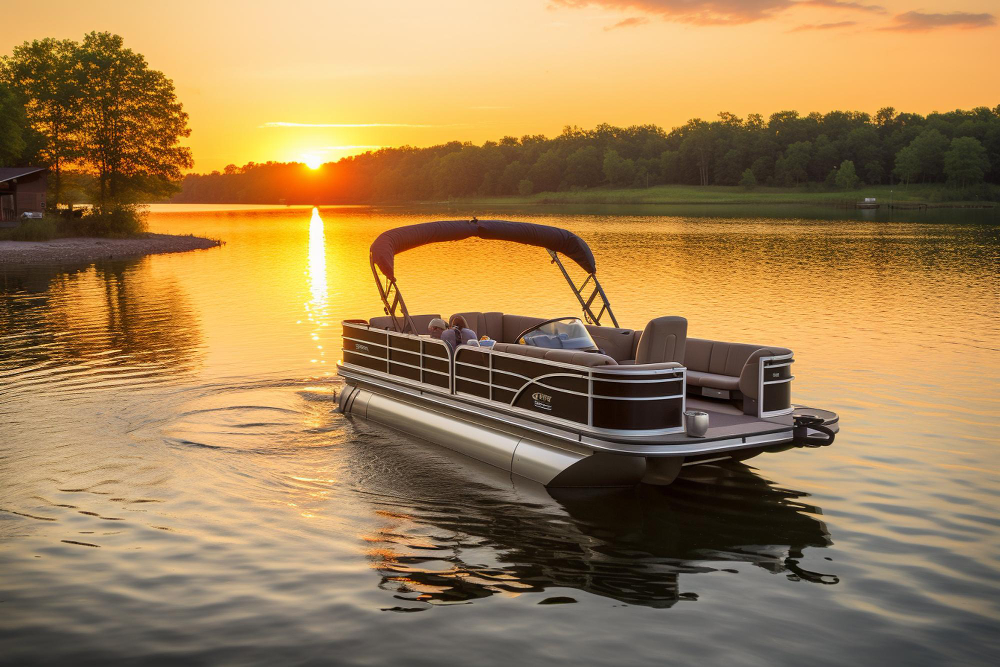
A pontoon boat uses two or three aluminum tubes beneath a flat deck. This design creates a large, open platform with plenty of room for passengers, seating, and onboard activities.
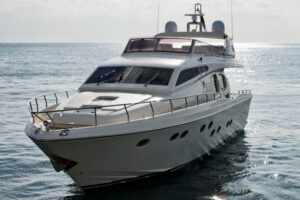
A catamaran uses two separate hulls connected by a deck structure. Unlike pontoons, the hulls often contain storage areas, cabins, bathrooms, or living quarters. This design creates a vessel capable of handling longer journeys and more varied conditions.
Which Boat Offers More Comfortable Living Space?
For entertaining and day cruising, pontoon boats often have the advantage. Their open floorplans maximize usable deck space, allowing passengers to move around comfortably without navigating stairs, cabins, or enclosed sections.
This spacious layout makes pontoon boats ideal for:
- Family outings
- Swimming excursions
- Social gatherings
- Waterfront dining
- Watersports activities
Catamarans use part of their available space for interior accommodations. Larger models may include bedrooms, kitchens, dining areas, and bathrooms. For overnight travel or multi-day trips, these features add convenience that a traditional pontoon cannot match.
If your focus centers on relaxation and social experiences, a catamaran or pontoon boat comparison often favors the pontoon.
Performance and Handling on the Water
One of the most important differences between a pontoon and a catamaran involves how they perform.
Pontoon boats excel on lakes, rivers, and protected waterways. Their wide stance creates exceptional stability, making them comfortable for passengers of all ages.
Catamarans deliver greater versatility in changing conditions. Their twin-hull design cuts through waves more efficiently and offers better handling offshore.
For most recreational lake boaters, pontoons deliver all the performance needed for enjoyable days on the water. Catamarans become more appealing when travel plans include coastal cruising or extended voyages.
Sailing Capability Changes Everything
A significant distinction in the pontoon vs. catamaran discussion is sailing capability.
Pontoon boats rely entirely on engine power. Their design focuses on leisurely cruising and recreational activities rather than long-distance travel.
Catamarans can harness wind power through sails, making them suitable for everything from casual sailing to ocean crossings. This ability dramatically expands where and how owners can use their boats.
If sailing adventures are a priority, the catamaran stands apart. If your goal revolves around comfort, entertainment, and lake living, a pontoon remains an excellent choice.
Maintenance and Ownership Considerations
Ownership extends far beyond the initial purchase price.
Pontoon boats generally require less maintenance. Their aluminum construction resists corrosion, and their systems remain relatively simple compared to larger sailing vessels.
Catamarans often include:
- Multiple engines
- Rigging and sails
- Advanced navigation systems
- Plumbing systems
- Interior accommodations
These additional components require regular inspections and maintenance.
For many buyers, simpler ownership translates into more time enjoying the water and less time managing upkeep.
Comparing Costs and Long-Term Value
Budget plays a major role when choosing between a catamaran or pontoon boat.
Pontoon boats typically offer a more accessible entry point into boating. Ownership expenses often remain lower due to simpler systems and maintenance requirements.
Catamarans usually require a larger initial investment, particularly models designed for offshore use. However, they can retain value well because of their specialized capabilities and demand among sailing enthusiasts.
Buyers should evaluate more than just the purchase price. Fuel usage, storage, insurance, maintenance, and future upgrades all influence long-term ownership costs.
For buyers exploring pontoon boats for sale, understanding total ownership expenses can help create realistic expectations.
Find the Right Boat for Your Next Adventure
At Dyer Marine, we spend our days helping families and boating enthusiasts find vessels that match the way they actually use the water. If you are comparing pontoon boats for sale or exploring ownership options, our team can help you evaluate your goals, understand your choices, and move forward with confidence as you prepare for your next adventure.
Contact Dyer Marine today to explore our inventory, discuss financing options, or speak with our experienced team about the right boat for your lifestyle.
FAQs
Pontoon boats offer exceptional stability on calm lakes and rivers, while catamarans maintain stability across a wider range of water conditions.
Pontoon boats generally have lower purchase prices and ownership costs than catamarans.
Some larger pontoon models can accommodate overnight use, but catamarans are typically better equipped for extended stays.