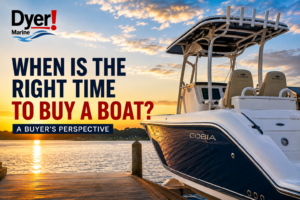




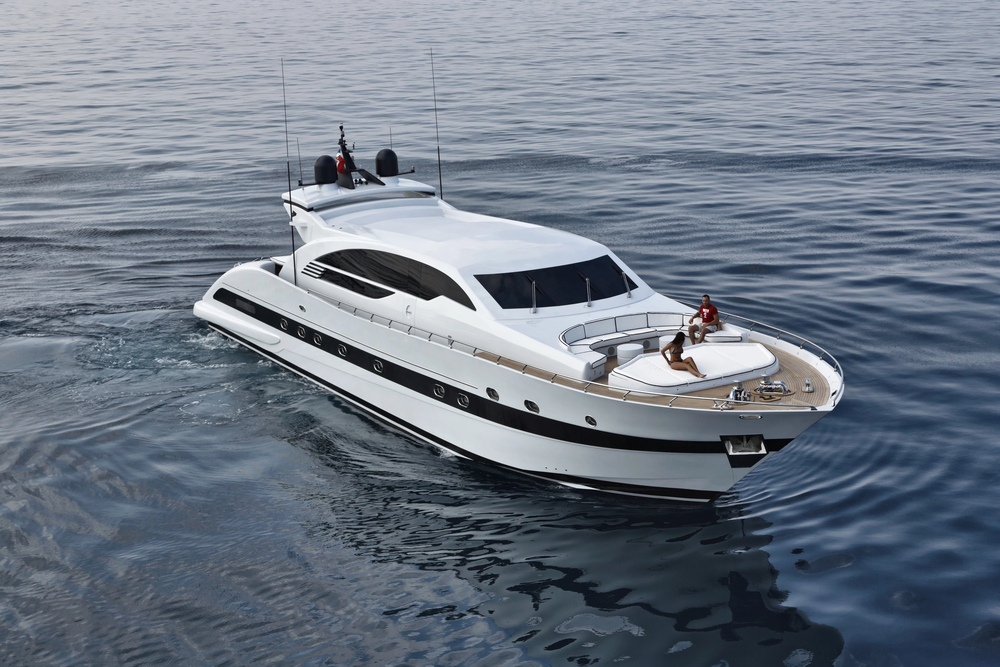
Choosing the right boat size is one of the most important decisions for any boater. The size of your vessel affects safety, comfort, performance, and the overall experience on the water. Whether you’re buying a new boat or a pre-owned boat, understanding how different sizes fit your lifestyle and intended use is essential to making the best choice.
From solo trips to group outings, the right boat size gives you enough room for passengers, gear, and storage while maintaining control and safety on the water.
Consider How You’ll Use Your Boat
The first step in selecting a boat size involves thinking about how you plan to spend your time on the water. Some boaters enjoy relaxed lake cruises, while others focus on water sports like wakeboarding or tubing. Fishing trips and extended outings with several passengers also play a role in this decision.
Smaller boats, often ranging from sixteen to twenty feet, are easier to handle and well-suited for short day trips. They work well for water sports with a small group and appeal to first-time owners because they are simpler to tow and store.
On the other hand, larger boats provide additional seating, onboard amenities, and storage for gear, coolers, and water sports equipment. They’re ideal for family outings, entertaining friends, or longer adventures where comfort is key. Keep in mind that larger boats may require more experience to operate safely, as well as higher maintenance, fuel costs, and docking fees.
Factor in Passenger Capacity
Passenger capacity plays a major role when choosing a boat size. Selecting a vessel that is too small for your typical group can affect safety and handling. Overloading reduces stability and may increase fuel use, especially in rough or windy conditions.
Boaters who regularly host friends or family often benefit from a larger layout with extra seating and storage. Smaller boats suit couples or small groups who value easy maneuvering and do not need excess space.
Storage and Maintenance Needs
Boat size also directly impacts storage and maintenance. Smaller boats are generally easier to tow on a trailer, store at home, and clean after each outing. They require fewer resources for maintenance, which makes them more convenient for new boat owners.
Larger boats, however, often require professional storage or marina docking and more complex maintenance, including engine checks, seasonal preparation, and specialized cleaning. They may also need additional equipment for handling, such as dock lines, fenders, or a second set of hands for launching and retrieving.
How We Help at Dyer Marine
At Dyer Marine, we know that deciding on the right boat size can feel overwhelming. Our team focuses on helping you find a boat that matches your lifestyle and experience level. Guidance on size, layout, and features helps create confidence on the water.
Contact Dyer Marine today to explore our range of boats, get advice on the right boat size, or schedule a service appointment.