


Learning how to anchor a boat is an essential skill for any boater. Proper anchoring keeps your new boat secure while you swim, fish, or relax on the water. When done correctly, anchoring limits drifting, protects your vessel, and supports peace of mind during every outing.
For beginners, anchoring might feel intimidating, but it becomes natural with practice. This guide walks through the process step by step so you can enjoy your time on the lake in your pre-owned boat or new boat confidently.
Choose the Right Spot
Before dropping anchor, take time to assess your surroundings. Look for water with enough depth and a bottom surface that allows the anchor to grip, such as sand or mud. Rocky areas and heavy vegetation should be avoided.
Leave enough space for your boat to move naturally with the wind or current. Stay clear of other boats and navigation paths. Selecting a good location at the start reduces the need to reset and helps maintain safety.
Prepare Your Anchor and Line
Inspect the anchor, line, and all connections for wear, tangles, or damage. A recommended line-to-depth ratio is at least five feet of line for every foot of water, with additional length used during windy conditions. Confirm the anchor is firmly attached and positioned for smooth deployment.
Lower and Set the Anchor
Bring the boat to a complete stop and shift into neutral. Lower the anchor slowly so it reaches the bottom without twisting the line. Feed out enough line so the anchor rests naturally along the bottom surface.
Apply gentle reverse power to help the anchor dig in. Steady pressure works better than sudden force. Check nearby landmarks or GPS to confirm the boat holds position, then reset if movement continues.
Secure the Line
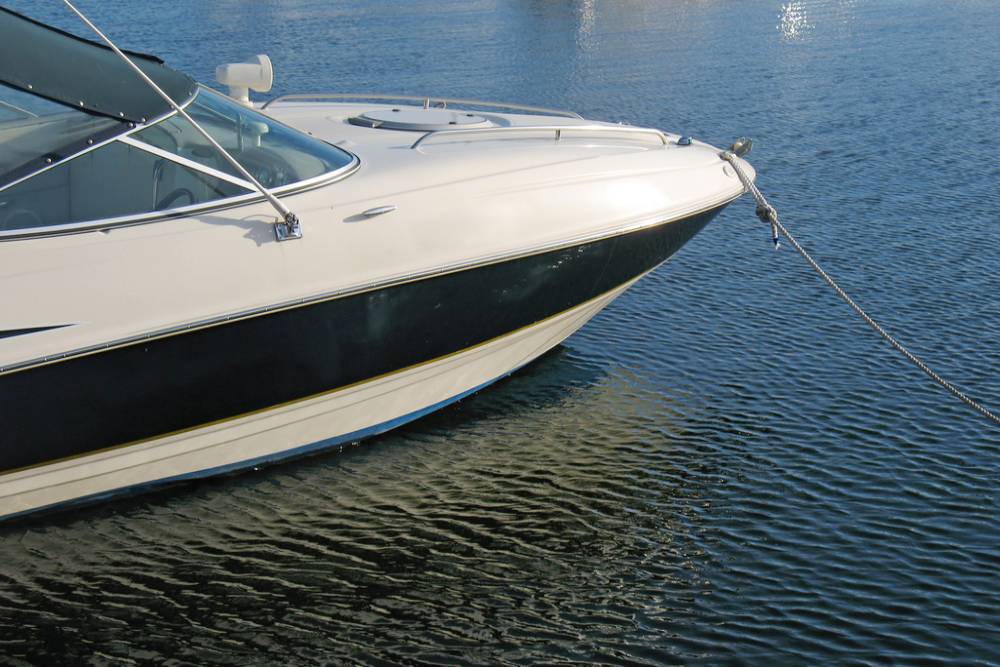
Tie the line to a cleat using a strong, reliable knot. The line should hold firmly while still allowing slight movement from waves. Check knots and cleat placement before shutting off the engine. A secure line helps keep the boat stable and the experience enjoyable.
Monitor Your Position
Anchoring requires ongoing awareness. Check your position regularly using landmarks or GPS. Wind shifts, current changes, or passing boat traffic can cause movement. Reset the anchor right away if drifting begins to avoid problems.
Common Anchoring Mistakes
New boaters often use too little line, anchor too close to other boats, drop the anchor too quickly, or fail to monitor changing conditions. Taking your time with each step, using the correct equipment, and staying aware of your surroundings make anchoring smoother and safer.
How We Help at Dyer Marine
At Dyer Marine, confidence on the water starts with preparation. Our team focuses on helping boaters build real skills, not just ownership. Guidance on how to anchor a boat, seasonal readiness, and mobile maintenance all support a safer and more enjoyable time on the lake.
Contact Dyer Marine today to explore our variety of boats or schedule a service appointment. With our support, you can enjoy the lake lifestyle with confidence and peace of mind!